



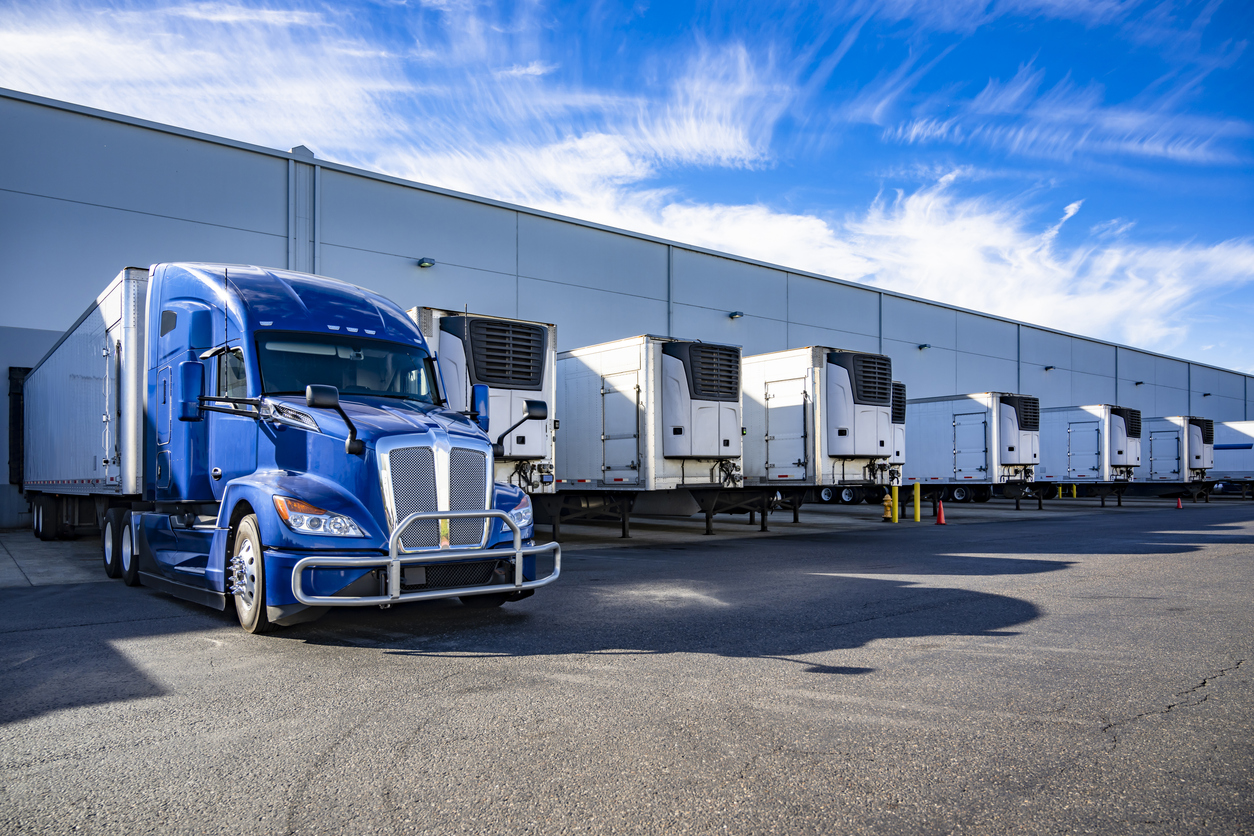
The Canadian Trucking Industry: A Growing Divide
The Canadian trucking industry is entering a phase where the gap between large fleets and smaller carriers is becoming more visible—and the numbers clearly reflect this shift.
Large Fleets Continue to Expand and Invest
Larger fleets continue to invest in new equipment, expand capacity, and position themselves for future growth. Backed by stronger balance sheets and better access to capital, these companies are upgrading to more fuel-efficient trucks and adopting advanced technologies. This is happening in an industry that moves over 70% of Canada’s freight by weight and generates more than $140 billion annually in economic activity.
For large carriers, this scale creates a clear advantage. They can continue investing during downturns, negotiate better fuel pricing, and prepare for long-term demand. With ongoing infrastructure development and cross-border trade, these fleets are positioning themselves to capture future growth.
Challenges Facing Smaller Carriers
At the same time, many smaller carriers are facing ongoing financial pressure. Rising fuel costs, insurance premiums, and soft freight rates are tightening already thin margins. Recent trends show a decline in employment across the sector, with tens of thousands of jobs impacted over the past year. This is a notable shift in an industry that employs over 400,000 Canadians, including nearly 300,000 professional drivers.
Smaller operators—many of whom run just a handful of trucks—often lack the financial flexibility to absorb these pressures. Limited access to capital makes it difficult to invest in newer equipment or scale operations, leaving them more exposed to market volatility.
Industry Remains a Key Economic Driver
Despite these challenges, trucking remains a critical pillar of the Canadian economy, contributing an estimated 4–7% of national GDP. However, the imbalance within the industry is becoming more pronounced. While large fleets are expanding and investing strategically, smaller carriers are focused on cost control, consolidation, or simply staying afloat.
A Changing Competitive Landscape
This widening divide is reshaping the competitive landscape. As the market stabilizes, the ability to invest, adapt to new technologies, and align with sustainability trends will play a defining role in determining the future leaders of Canada’s trucking industry.





Comments are closed